The Blackpine Fire
Idaho, 2007
The ink wasn't even dry on the papers selling the farm when the fire started.
I was the cattle manager, or cow boss, depending on what circle you’re in, for a big outfit in Idaho, The Blackpine Ranch. The owner had decided to restructure. Some outside buyer had come into the country and purchased our farm ground and the feedlot. We kept the range, the cattle, and the house I was living in, which the locals called the Hotel. I told myself things would work out fine. We'd just keep running the ranch without the farm. I believed that for about two weeks.
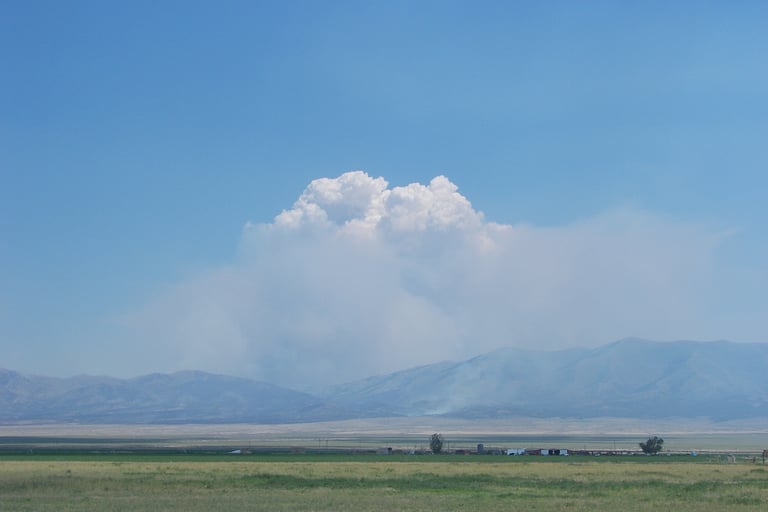
The fire started the last week of July, best I can recall. A little thunderstorm came through the valley, lightning popping here and there. I actually watched a bolt hit the ground up by one of the west pastures, a mile or so off the fields. Smoke started rolling up out of the cheat grass and sagebrush.
We weren't as prepared for wildfire as we should have been, but we loaded up and rolled out in our trucks to get a handle on it before it spread. By the time we got up there, it was already three or four acres — too big for us. Me, my boys, the general manager. Too big. The fire department showed up maybe an hour later. It was probably two hundred acres by then.
It burned north for two or three days along the edge of the mountain. Then the wind shifted and pushed it east. BLM was out there with their crews, and it seemed to us like everybody was just standing around watching it go. Maybe it was more than they could handle. Maybe there weren't enough resources. Either way, it kept burning. It reached the interstate highway along the eastern edge of the ranch, then the wind shifted again and started driving it south — straight toward about twelve hundred head of cattle on their late summer pastures.
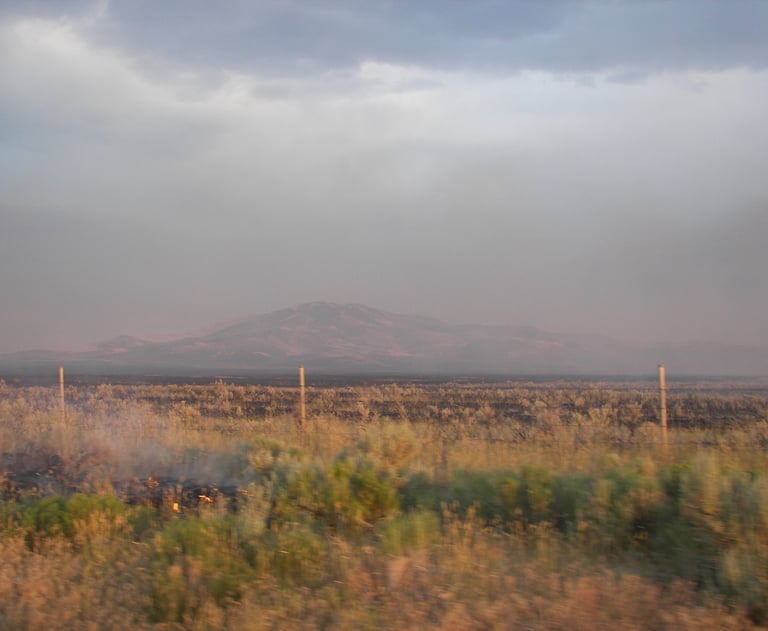
We made a plan and gathered help. Before we started, I took my motorbike down the cow trails at first light to see what we were up against. I drove up within a couple hundred feet of it. It wasn’t raging ahead, just a slow burn. Barely daylight, it was a line of orange flames a foot to two feet tall, strung out east to west through some pretty thick sagebrush for a mile and a half, maybe two miles. It was something. I wish I'd taken pictures.
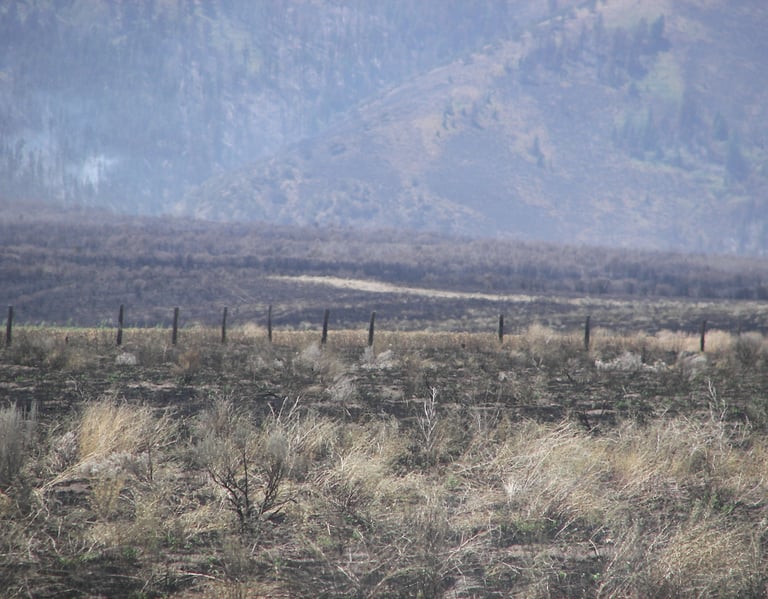
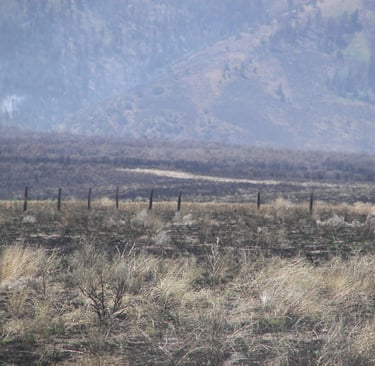
We went back, unloaded our horses, and started gathering cows. By ten o'clock that morning you could see it coming hard. That same line of flames was six to eight feet tall and moving our direction. The cattle didn't seem to care. They were just scattered out doing what cows do. We gathered most of them — probably nine-fifty, maybe a thousand head — and pushed them down into a little hollow against the interstate fence. Good place to hold a big bunch. Maybe a hundred and fifty head were still scattered up in front of the fire, and we figured they were lost.
The rest of this story is part of a book I'm finishing up, the hard lessons this life has handed me, one story at a time. Want to know the day it's ready? Sign up here and I'll let you know the moment it's out.
Realwesternlife
Authenticity guaranteed
© 2025. All rights reserved.
Get in Touch:
Orders & Customer Service
orders@realwesternlife.com
General Inquiries
hello@realwesternlife.com
Business, Legal & Privacy
admin@realwesternlife.com
Call or Text
307-240-9474
Our store is