The Jingle Horse
How much do you hand a kid before it breaks him?
My dad never asked the question out loud. He just shook me awake in the pitch black one April morning, first day of roundup, and said, You gonna go gather the string?
I was seven years old.
I didn't ask if I was ready. Neither did he.
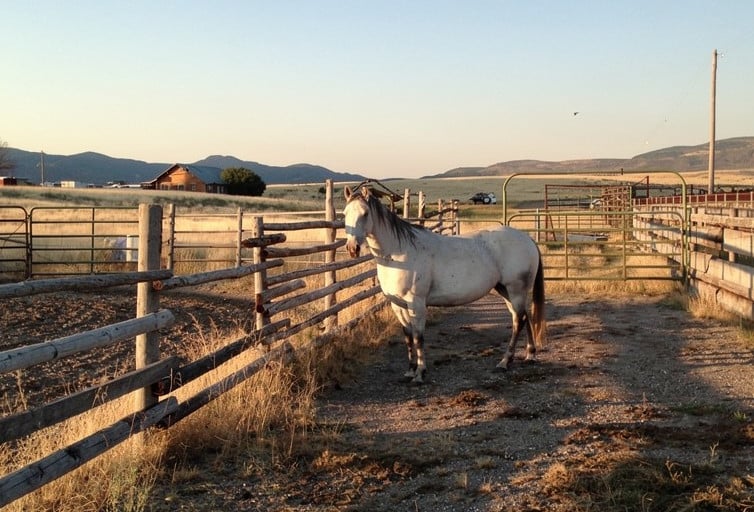
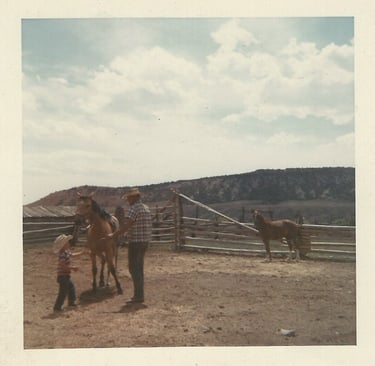
We ran a lot of saddle horses in those days — holdovers, maybe, from when everything on that ranch moved on four legs. They'd learned the game. A bucket of grain usually meant a full day's work, so they stayed wary, kept their distance, grazed just far enough out in the pasture to make you earn it. That's why we kept one in the corral separate from the rest. The jingle horse. His job was to help you catch everybody else.
My job was to catch him first.
He was too tall for me to bridle standing flat-footed. I had to wait for him to lower his head, had to read whether this was a morning he'd cooperate or a morning he wouldn't. No saddle — there wasn't time and I couldn't have swung up from the ground anyway. I'd lead him to the fence, climb the rails, and bail onto his neck. Not graceful. Not from the side, usually. Straight up the fence, grab mane, hope for the best, and let him figure out the rest.
Once I was on, I'd give him his head and he'd take me right to the others. He wanted to be with them — that instinct was mine to use. I'd bunch them in the dark, push them back through the gate, slip off, shut it behind me, and then find my ride for the day cornered in the bunch before they sorted out what had happened and scattered.
By the time I got back to the barn, the rest of the crew would be there. My brothers. My dad. My uncle. Horses blowing steam in the cold air, cinches being pulled, nobody saying much.
We'd leave in the dark, single file through the hayfields — the only time we ever rode that way. In the hills you rode side by side, or spread wide, because letting your horse just follow the one ahead meant you weren't paying attention. You were a passenger. Out here they had a word for that. Dude. Said with a particular kind of quiet that told you everything about what it meant.
Past the fields, through the gate to the hills, and then the long ride to the back. Miles of sage and draws in the grey coming of morning. By the time daylight broke we'd meet the neighbors, plan the gather, and spread out across the allotment — a spring pasture we shared with two or three other outfits, ran our cattle together in common. The kind of arrangement that only works if every man does his part.
Roundup ran three days some years. Four or five in others.
Some mornings I didn't have to be woken up.
I broke my first colt the same year, maybe the year before — I can't pin it down exactly. A long yearling filly, wages given to me and my older brother by a neighbor as payment for helping him trail his cows up to summer pasture. I’d earned her over several long days pushing the drag, doing what needed done. An old timer once told me the real cowboys were always in the back, pushing the drag, because that’s where the work was.
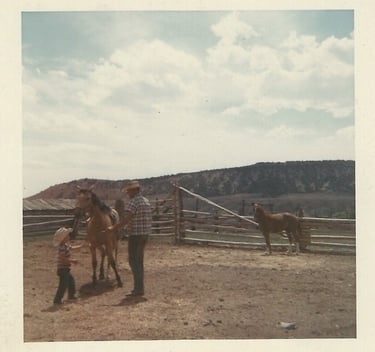
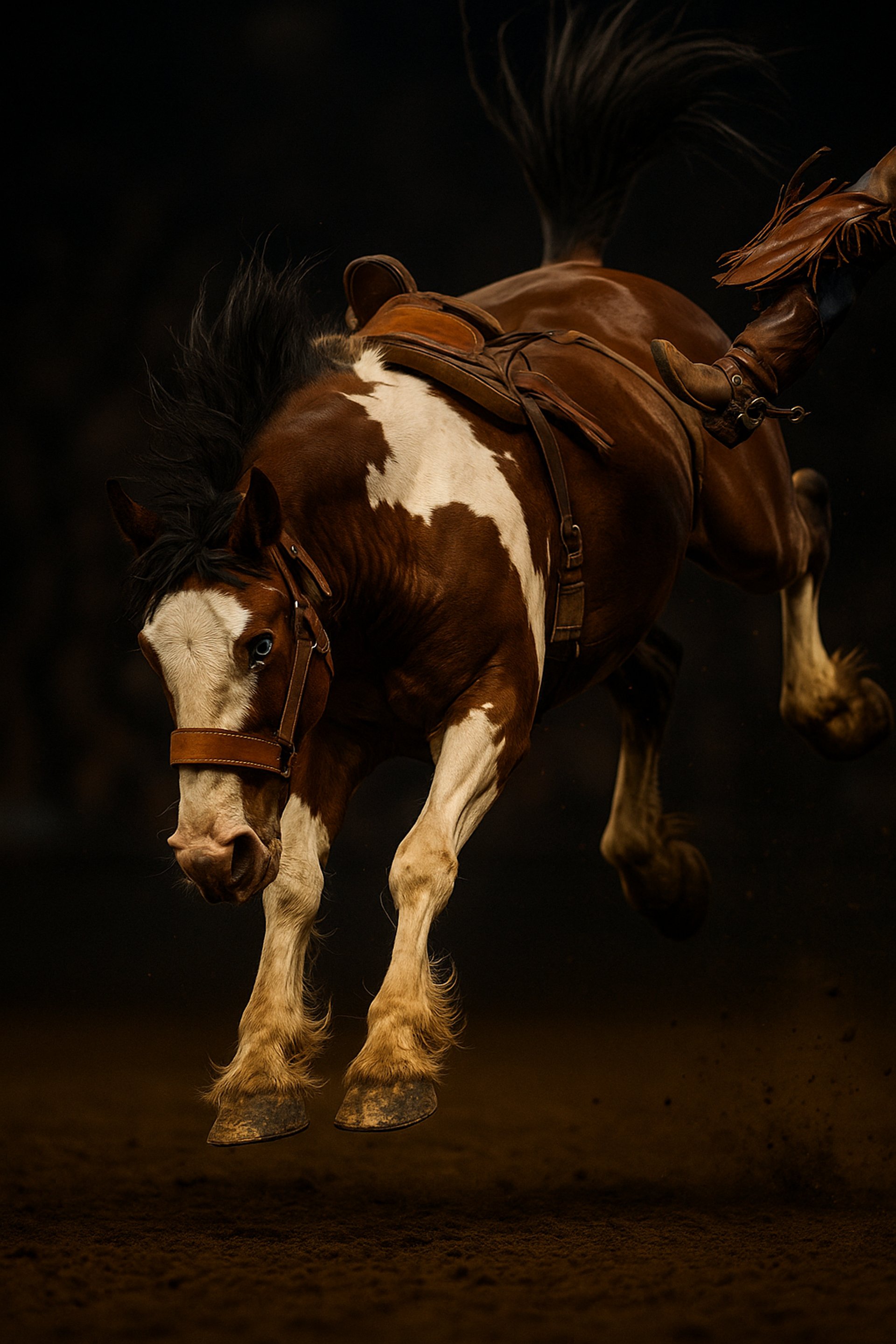
Dad made us break those colts ourselves. He'd step in only when there was something we weren't physically capable of — something my size wouldn't allow. But the work was mine. The ground work, the handling, the slow days of building something out of nothing. The first ride was mine too. Dad helped me into the saddle in the round pen, and then stepped back.
I didn't know what was going to happen. I had a story in my head about how it would go. I held onto that story as I was helped on.

The rest of this story is part of a book I'm finishing up, the hard lessons this life has handed me, one story at a time. Want to know the day it's ready? Sign up here and I'll let you know the moment it's out.
Realwesternlife
Authenticity guaranteed
© 2025. All rights reserved.
Get in Touch:
Orders & Customer Service
orders@realwesternlife.com
General Inquiries
hello@realwesternlife.com
Business, Legal & Privacy
admin@realwesternlife.com
Call or Text
307-240-9474
Our store is